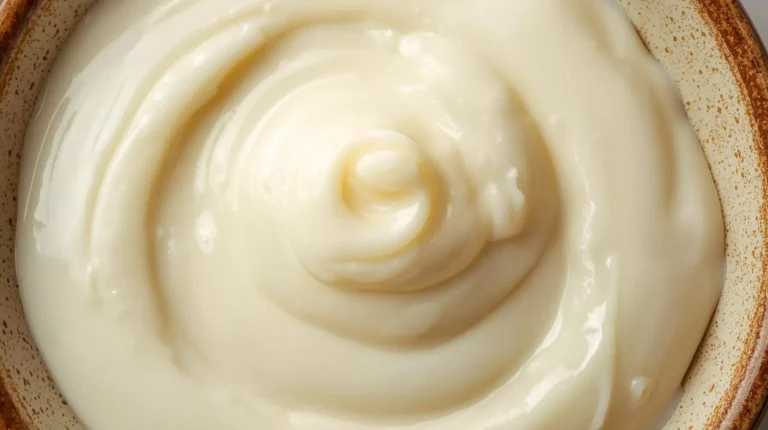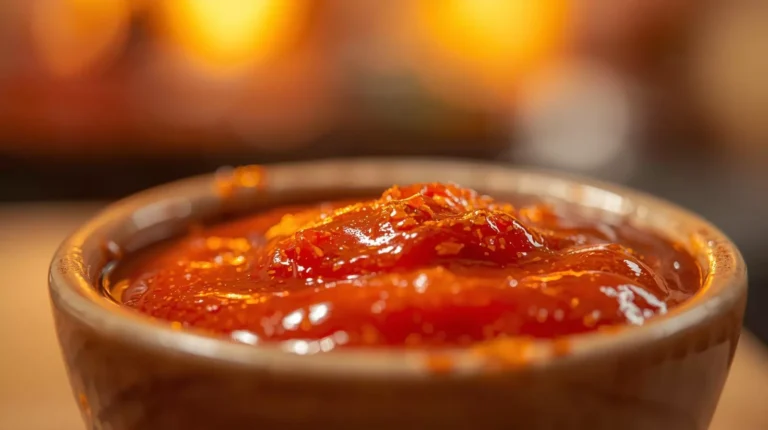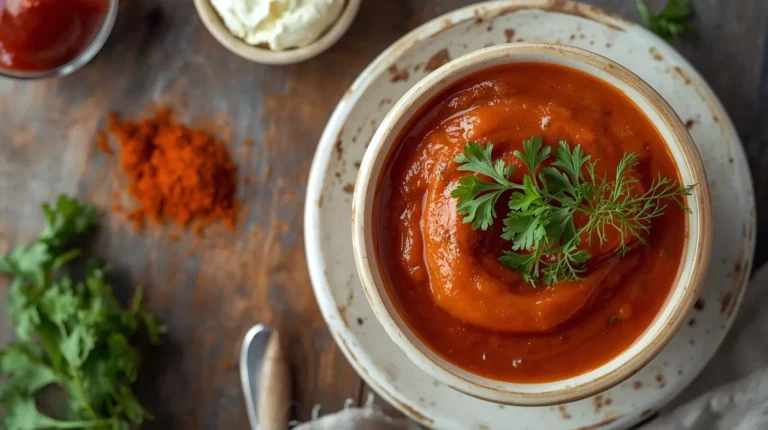

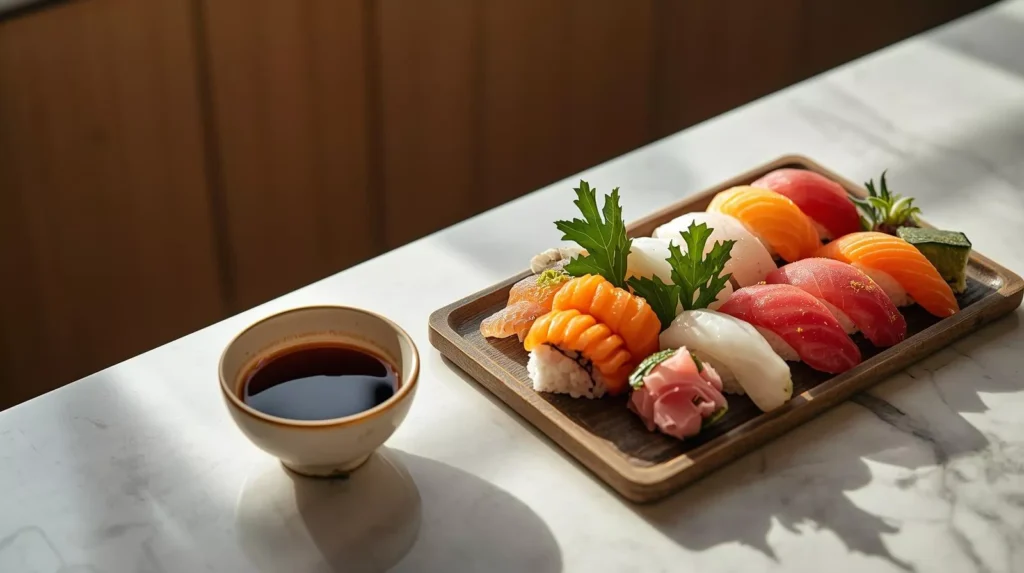
Omakase sauce is the secret behind that unforgettable sushi restaurant flavor. Inspired by the Japanese concept of “omakase,” meaning “I leave it up to you,” this sauce reflects a chef’s creativity and trust in simple, high-quality ingredients. Unlike regular soy sauce, it’s carefully crafted to enhance the natural taste of sushi, sashimi, and even grilled dishes without overpowering them.
The best part? You don’t need professional skills or fancy tools to make it at home. With just a few pantry staples and a quick mix, you can create a restaurant-style omakase sauce that brings harmony, depth, and a touch of elegance to every bite. Whether you’re a beginner or a food lover exploring Japanese flavors, this easy recipe will help you recreate that special dining experience right in your own kitchen.
Why Everyone Loves Omakase Sauce Recipe
Omakase sauce has gained popularity because it delivers a perfect balance of flavors all in one simple blend. People love it because it instantly elevates ordinary dishes into something restaurant-worthy without requiring complicated steps. Another reason for its appeal is versatility. It pairs beautifully with sushi, sashimi, grilled meats, seafood, rice bowls, and even vegetables, making it a go-to sauce for many home cooks. Plus, the recipe is highly customizable, allowing you to adjust ingredients based on your taste or what you have available. Most importantly, omakase sauce captures the essence of gourmet cooking in an easy, approachable way.
Pre-Notes
| Notes | Details |
|---|---|
| Total Servings | 7 Serving |
| Cuisine | Japanese |
| Calories | 290 Kcal |
| Total Time | 20 minutes |
| Course | Sauce |
Omakase Sauce Ingredient
- 3 tbsp soy sauce
- 1 tbsp mirin (Japanese sweet rice wine)
- 1 tbsp sake (optional but recommended)
- 1 tsp sugar (adjust to taste)
- 1 tsp rice vinegar
- ½ tsp sesame oil
- 1 tsp grated fresh ginger
- 1 tsp minced garlic
- 1 tbsp dashi stock (optional for deeper umami)
Optional Add-ons (for variation):
- ½ tsp chili flakes (for heat)
- 1 tsp honey (for extra sweetness)
- A few drops of lemon juice (for freshness)
Kitchen Utensils Needed
- Small saucepan
- Mixing bowl
- Spoon or whisk
- Measuring spoons
- Fine grater (for ginger)
- Knife and cutting board
Step-by-Step Instructions to Make Omakase Sauce
- Combine Base Ingredients
In a small saucepan, add soy sauce, mirin, sake, and sugar. - Heat Gently
Place on low heat and stir until the sugar dissolves completely. Do not boil. - Add Flavor Elements
Stir in rice vinegar, sesame oil, ginger, garlic, and dashi stock. - Simmer Lightly
Let it simmer on low heat for 2–3 minutes to blend flavors. - Cool & Strain (Optional)
Remove from heat. You can strain for a smoother texture or keep it rustic. - Serve or Store
Use immediately or store in an airtight container in the fridge for up to 5–7 days.
How to Use Omakase Sauce
- Drizzle over sushi rolls or sashimi
- Brush onto grilled fish or chicken
- Mix into rice bowls or noodles
- Use as a dipping sauce for dumplings or tempura
Common Mistakes to Avoid
- Boiling the Sauce Too Much
High heat can ruin the delicate balance and make the sauce too salty or bitter. Always cook on low heat. - Using Too Much Soy Sauce
This can overpower the flavor. Keep the balance with sweet and acidic ingredients. - Skipping Mirin or Sugar
These add essential sweetness that balances the saltiness, so don’t skip them. - Adding Garlic Too Early on High Heat
Burnt garlic turns bitter. Always cook gently. - Not Tasting and Adjusting
Everyone’s taste is different, so adjust sweetness, salt, or acidity to your liking. - Ignoring Texture
If you want a smooth, restaurant-style finish, strain the sauce.
Ingredients Replacements
If you’re missing something, don’t worry these swaps work well:- Mirin substitute:
Mix 1 tbsp sugar + 1 tbsp water (or use honey for a richer taste) - Sake substitute:
Use dry white vinegar or lemon juice (just a few drops to avoid overpowering) - Dashi stock substitute:
Use vegetable broth or a pinch of mushroom powder for umami depth - Rice vinegar substitute:
Apple cider vinegar or white vinegar (use slightly less) - Sesame oil substitute:
Olive oil (milder flavor) or skip if unavailable - Fresh ginger substitute:
Ginger powder (use a small pinch) - Fresh garlic substitute:
Garlic powder (½ tsp)
Flavor Twists
Want to experiment? Try these variations:- Spicy Kick:
Add chili flakes, sriracha, or a dash of hot sauce - Citrus Fresh:
Add lemon or yuzu juice for a bright, refreshing note - Sweet & Sticky Glaze:
Increase sugar or add honey to make it thicker and glossy - Smoky Depth:
Add a drop of smoked soy sauce or a pinch of smoked paprika - Garlic Lover’s Version:
Double the garlic for a bold, savory punch - Umami Boost:
Add a few drops of fish sauce or a pinch of miso paste
Serving & Garnishing Ideas
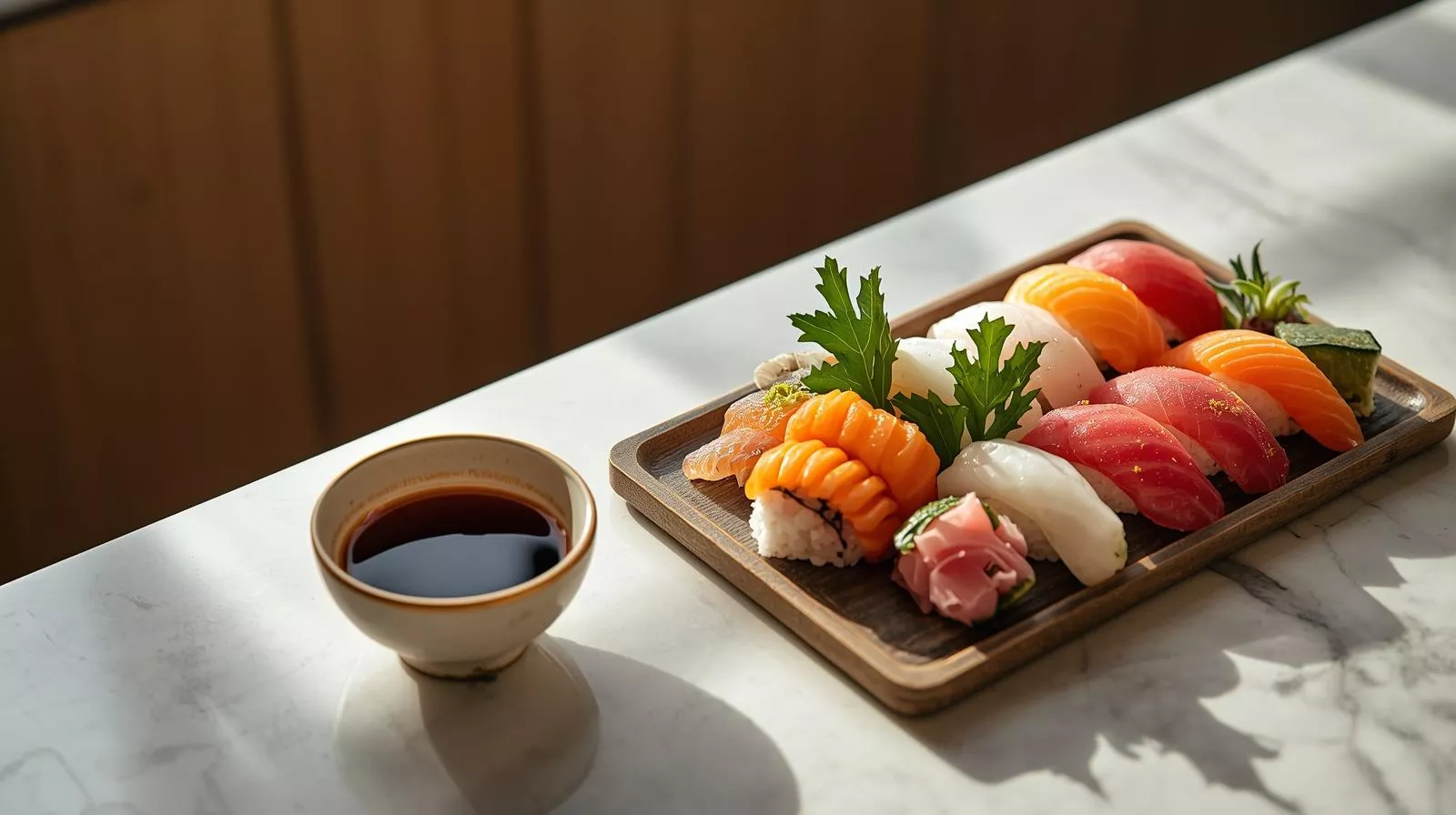
This sauce is super versatile, try it with:- Sushi rolls and sashimi (classic use)
- Grilled chicken, salmon, or shrimp
- Stir-fried noodles or fried rice
- Hot cheeto Boudin balls recipe
- Rice bowls with veggies and protein
- Roasted or steamed vegetables
- Dumplings, tempura, or spring rolls
Nutritional Information
| Nutrition’s | Quantity |
|---|---|
| Calories | 290 kcal |
| Fats | 20 g |
| Protein | 11 g |
| Sugar | 0 g |
| Sodium | 650 mg |
| Carbohydrates | 25 g |
Storing Leftovers Omakase Sauce
Proper storage helps maintain the flavor and freshness of your sauce:- Refrigeration:
Store the sauce in an airtight glass container or jar. It will stay fresh in the refrigerator for up to 5–7 days. - Cooling First:
Always let the sauce cool completely before storing to prevent condensation and spoilage. - Freezing Option:
You can freeze the sauce in small portions (like ice cube trays) for up to 1 month. Thaw only what you need. - Reheating Tips:
Warm gently on low heat or use it cold as a dipping sauce. Avoid boiling again, as it can alter the taste. - Check Before Use:
If the sauce smells sour or looks cloudy, it’s best to discard it.
Interesting Facts Omakase Sauce
- Not a Fixed Recipe:
Omakase sauce doesn’t have one standard formula, every chef creates their own unique blend. - Meaning Behind the Name:
“Omakase” is a Japanese term that means “I leave it up to you,” reflecting trust in the chef’s creativity. - Umami Powerhouse:
The sauce is designed to highlight umami, the fifth basic taste, making dishes more satisfying and rich. - More Than Just Sushi:
While commonly used for sushi and sashimi, it’s also popular in modern fusion cooking. - Balance is Everything:
The magic lies in the perfect harmony of sweet, salty, tangy, and savory flavors. - Restaurant Secret Touch:
Many high-end sushi chefs use a house-made version of this sauce as their “signature flavor.”
FAQs
Ending Up
Omakase sauce is more than just a simple condiment but it’s the secret to creating that authentic, restaurant-style flavor at home. With its perfect balance of sweet, salty, tangy, and umami-rich notes, this versatile sauce can instantly elevate sushi, sashimi, grilled dishes, and even everyday meals. The best part is how simple and adaptable it is. Whether you follow the traditional method or experiment with your own flavor twists, making omakase sauce doesn’t require advanced cooking skills, just the right ingredients and a little creativity. Once you try it, you’ll realize how easily it transforms ordinary dishes into something truly special.
Omakase Sauce Recipe
Ingredients
Equipment
Method
- Combine Base Ingredients
- In a small saucepan, add soy sauce, mirin, sake, and sugar.
- Heat Gently
- Place on low heat and stir until the sugar dissolves completely. Do not boil.
- Add Flavor Elements
- Stir in rice vinegar, sesame oil, ginger, garlic, and dashi stock.
- Simmer Lightly
- Let it simmer on low heat for 2–3 minutes to blend flavors.
- Cool & Strain (Optional)
- Remove from heat. You can strain for a smoother texture or keep it rustic.
- Serve or Store
- Use immediately or store in an airtight container in the fridge for up to 5–7 days.